

Why enterprise CX depends on the employee workflow
Improve enterprise customer experience by mapping customer and staff journeys together, fixing handoffs, and measuring the whole service.
All articles ↗Evaluate composable commerce against business constraints, integration ownership, checkout reliability, operating cost, and staged migration options.

Composable commerce separates capabilities such as catalog, checkout, content, search, and fulfillment behind defined interfaces. That can help a growing business change one part of the experience without waiting for a full platform release. It also adds integration and operational work, so the decision should follow a real constraint.
Look for a capability that changes often or limits growth: region-specific catalogs, complex pricing, a distinct content experience, or multiple sales channels. If the current platform already handles the journey well, replacing it may not improve the customer experience. Begin with a measurable business problem.
Draw the complete path from product discovery through payment, confirmation, returns, and support. Define which system owns prices, stock, customer identities, and order status. Plan how information remains consistent when an integration is slow or unavailable. Customers should see one dependable experience even when several services contribute to it.
Every boundary needs an API contract, monitoring, versioning, testing, and someone responsible for incidents. Avoid splitting a simple platform into many services before the team can operate them. A staged migration, such as replacing search or content first, can reveal the actual cost and benefit.
Measure conversion, content publishing speed, checkout failures, release effort, and support cases before and after a change. Modularity earns its place when it improves those outcomes without making the platform too difficult to maintain.
A retailer may need region-specific content and search experiences while retaining a checkout platform that already works. Replacing content or search first can create a measurable benefit without moving every commerce function. The team should test whether prices, inventory, and promotions remain consistent across the old and new boundaries.
A modular platform is a means to support a better service, not a goal in itself. Start with the boundary that has a clear business reason to change.
Improve enterprise customer experience by mapping customer and staff journeys together, fixing handoffs, and measuring the whole service.
All articles ↗Design business automation with clear decision boundaries, exception handling, audit trails, and metrics beyond task speed.
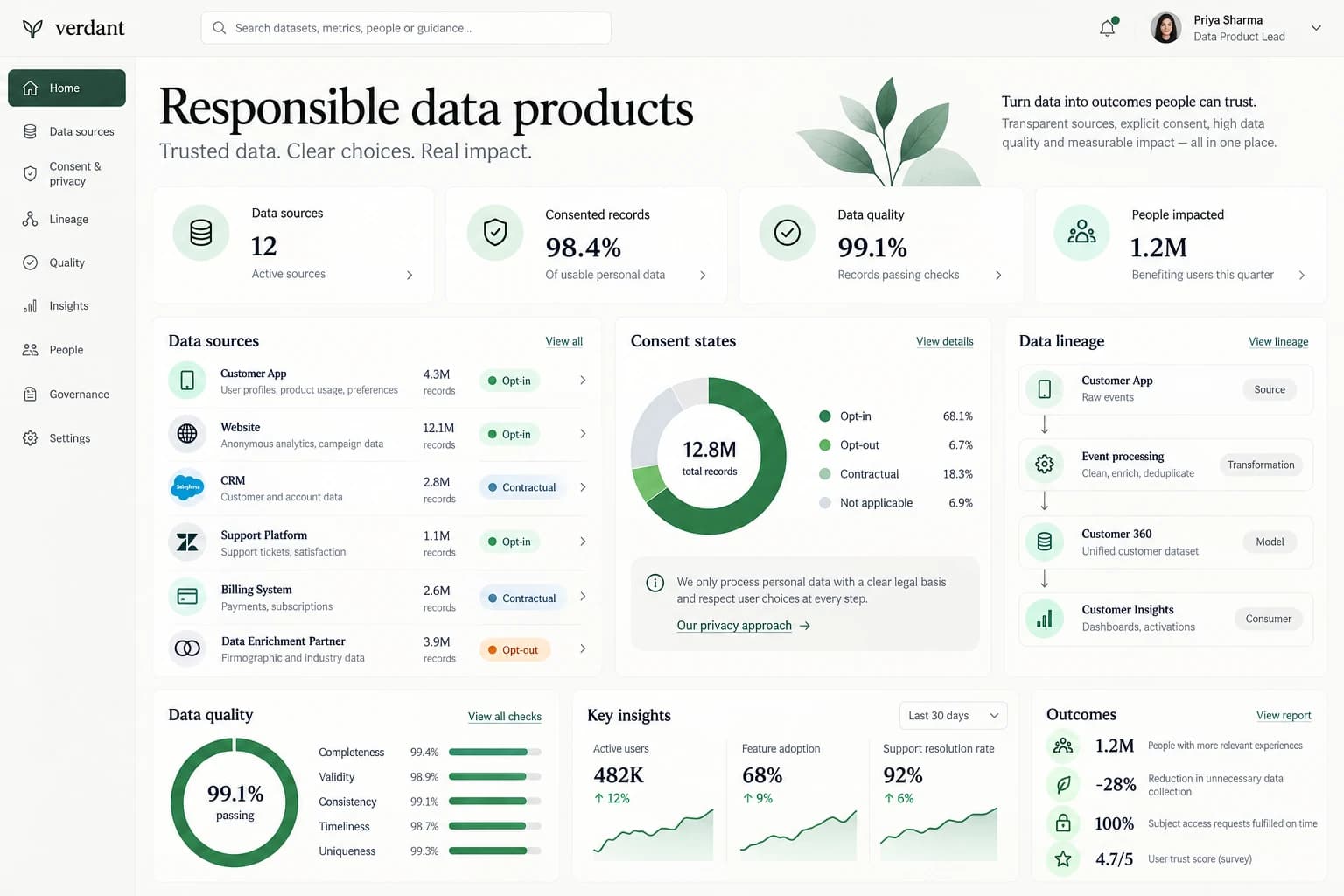
All articles ↗Build reliable data products with metric definitions, quality checks, access controls, useful interfaces, and clear operating ownership.
All articles ↗