
01
Workflows fitted to real roles and exception paths.
Build the software your workflow actually needs, with integrations and ownership designed in.


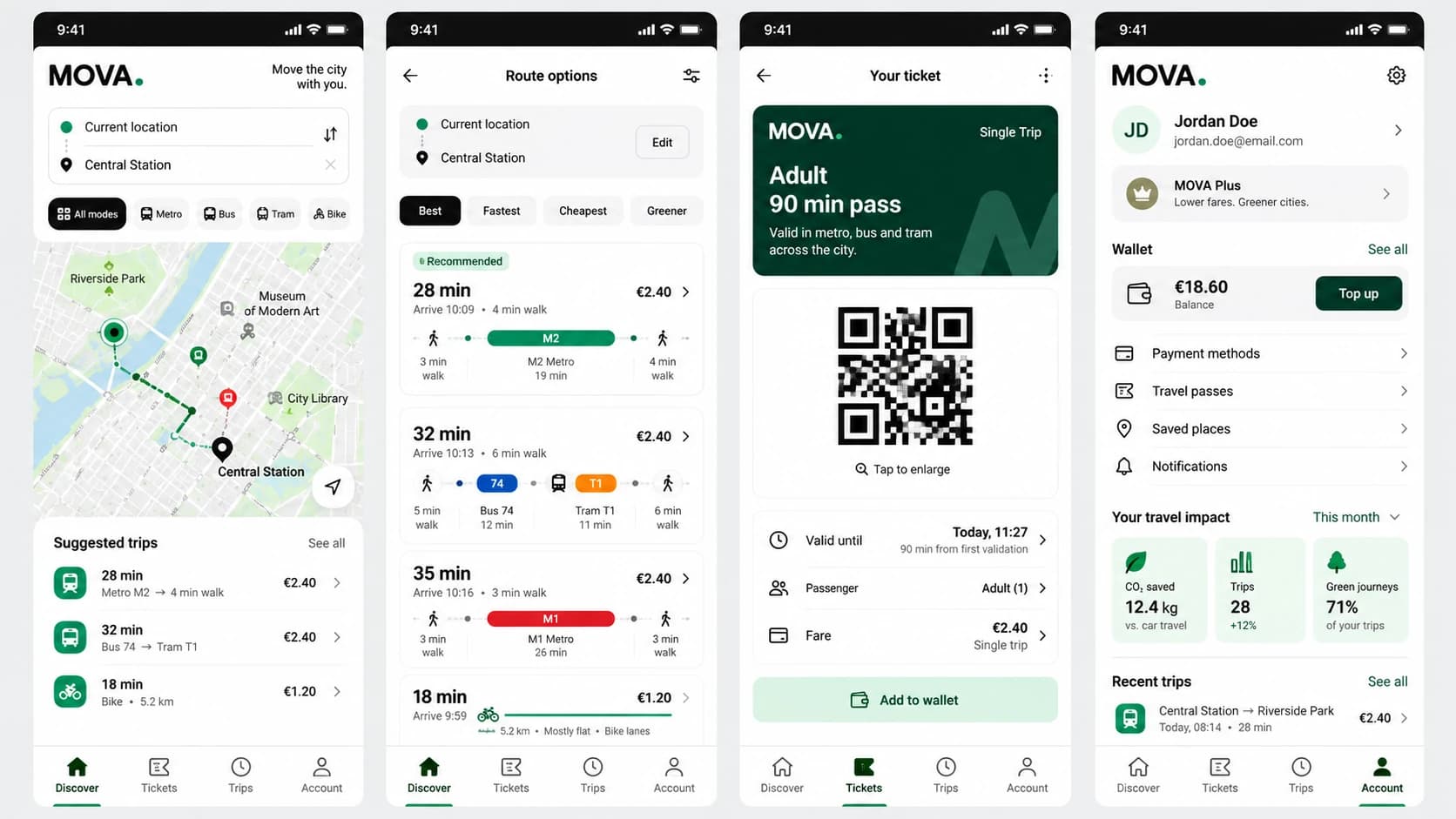
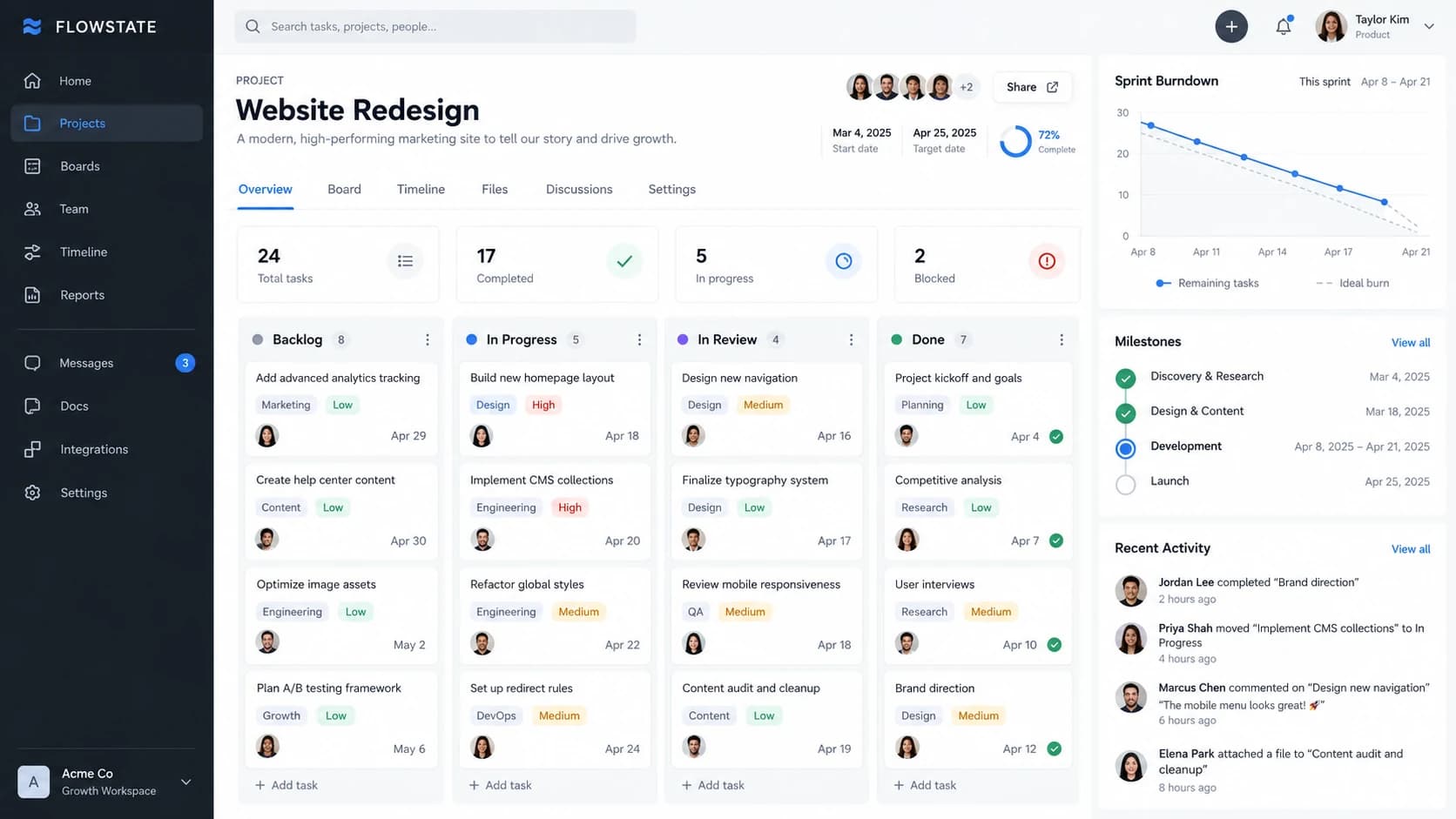

Workflows fitted to real roles and exception paths.
Less duplicate entry and more consistent records.
Documented integrations with systems already in use.
A maintainable codebase with a clear path for future changes.
Observe key tasks, decision points, data ownership, and where current software creates avoidable effort or risk.
Decide what to build, configure, or integrate, then agree on roles, acceptance criteria, and architecture.
Implement core workflows first, test with the people who use them, and connect systems through stable interfaces.
Document the code and operations, train administrators, monitor issues, and plan changes from real usage.
Off-the-shelf software can be a good starting point until teams depend on spreadsheets, duplicate entry, and fragile workarounds to complete essential work. A custom build can fail for the opposite reason: too much scope, weak ownership, or an architecture nobody can maintain. The useful question is where software should adapt to the business and where standard tools are enough.
We compare the cost and limitations of configuring existing tools with the value of a distinct workflow, integration, or user experience.
Often. We review data quality, ownership, access rules, and supported interfaces before designing a safe migration or integration.
Ownership is set in the project agreement. We make the code, dependencies, and handover expectations explicit before delivery.
We define a complete first workflow, acceptance criteria, and decision gates. Additional requests are assessed against value, effort, and dependencies.
We can agree on support, monitoring, fixes, and planned improvements. The operating model and responsibilities are documented in the engagement.

Build the software your workflow actually needs, with integrations and ownership designed in.