

Process mapping
Reveal steps, dependencies, and failure points before writing automation.
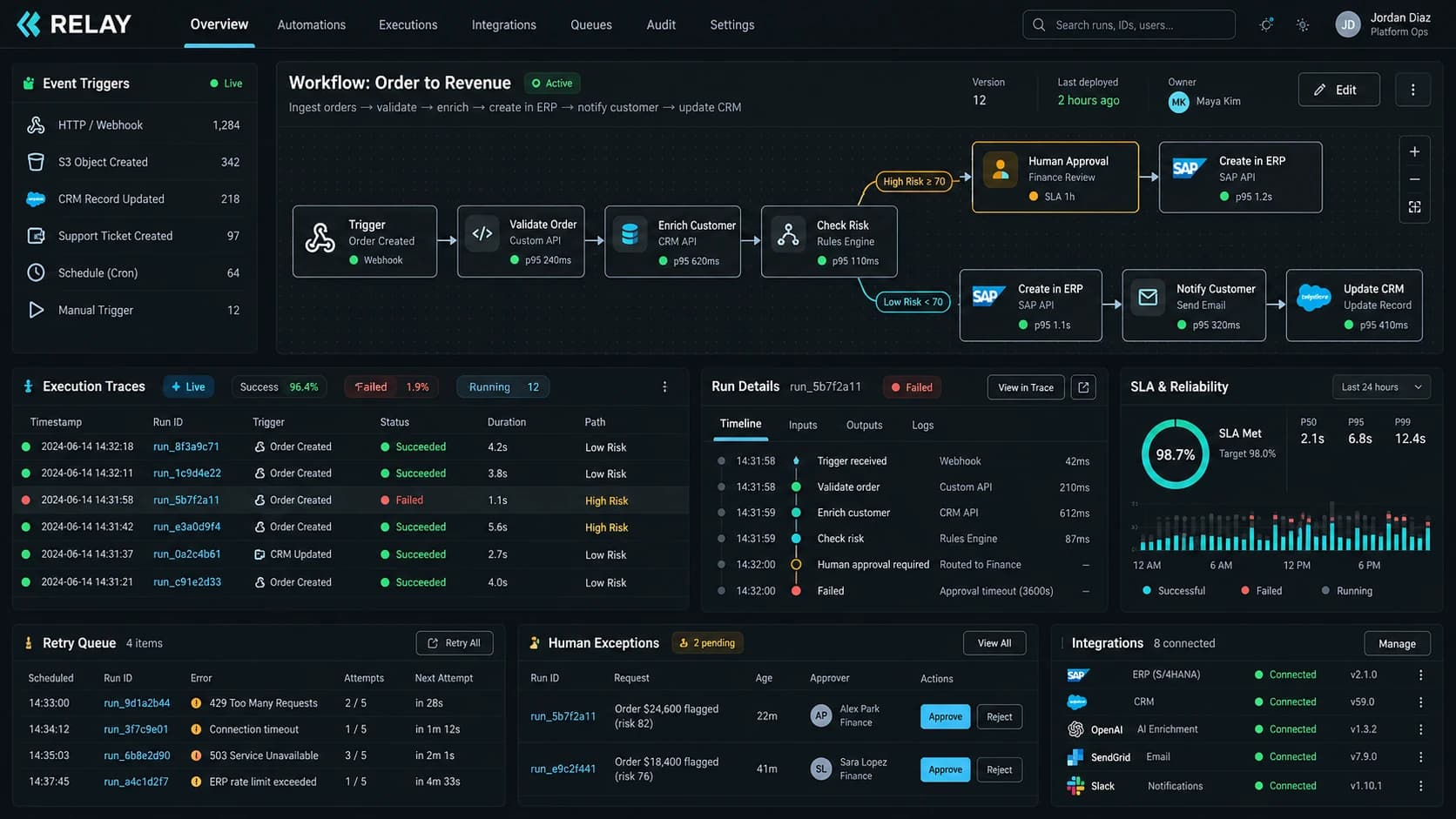
Reliable orchestration that keeps information and work moving with fewer manual handoffs.
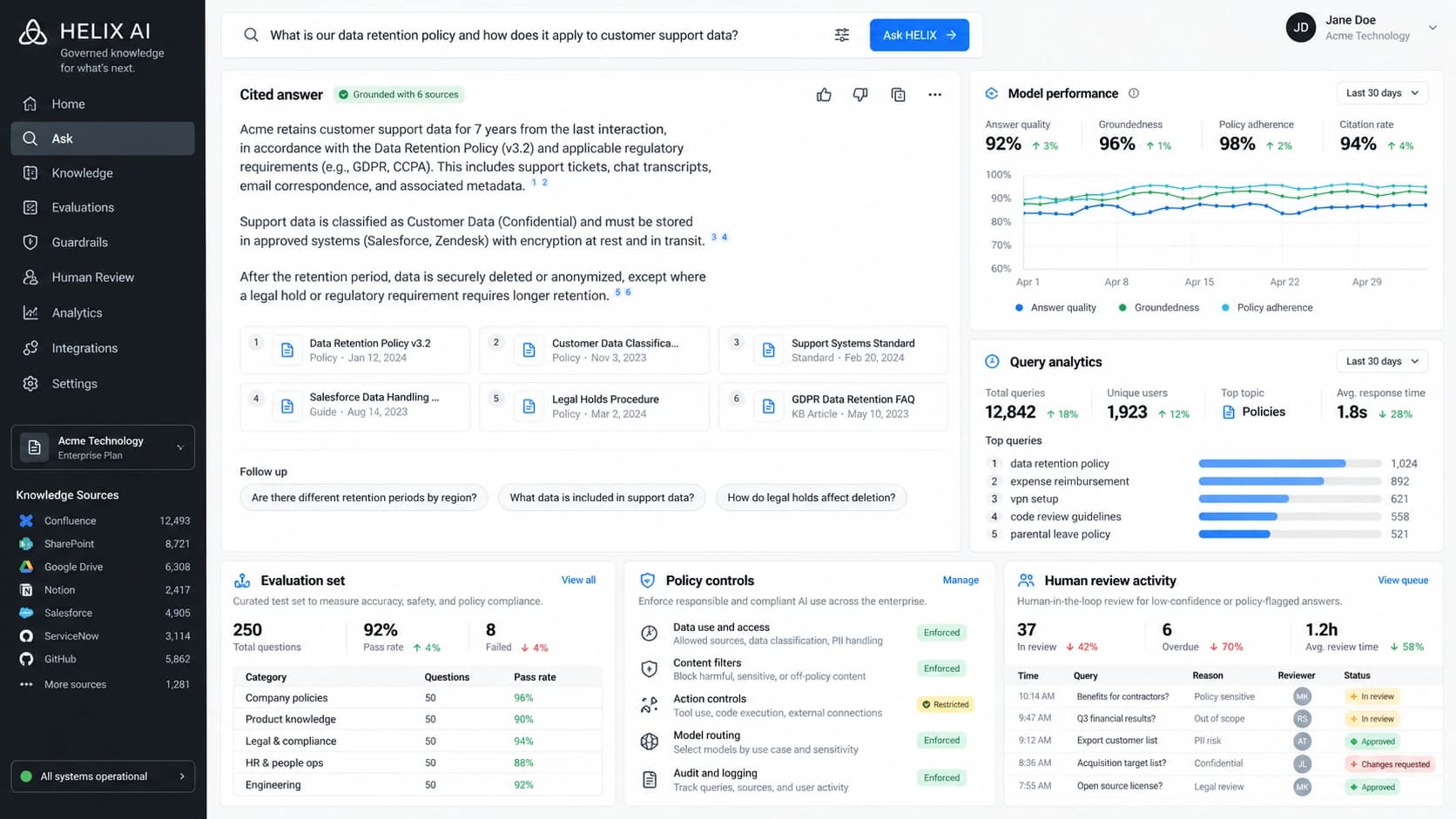



Reveal steps, dependencies, and failure points before writing automation.
Connect tools through secure interfaces and clear data contracts.
Coordinate triggers, rules, approvals, and retries.
Surface exceptions, performance, and opportunities to improve.
We model workflow state explicitly, use idempotent actions where possible, and define retries and dead-letter handling for failures. Integration credentials are scoped, sensitive steps require role-based approval, and staff can see an audit trail for every transition.
Choose a frequent process with clear rules, measurable delay, and a known owner. We map exceptions before recommending tools or estimating savings.
Often. We inspect APIs, webhooks, export options, and data quality first. If a system cannot integrate reliably, we identify the constraint before building a fragile workaround.
The workflow should record the failure, retry only when safe, alert an owner, and avoid duplicate actions. These paths are designed and tested alongside the happy path.
People remain responsible for exceptions, sensitive approvals, and decisions that require judgment. We design the handoff so the reviewer has enough context to act quickly.

Reliable orchestration that keeps information and work moving with fewer manual handoffs.