
01
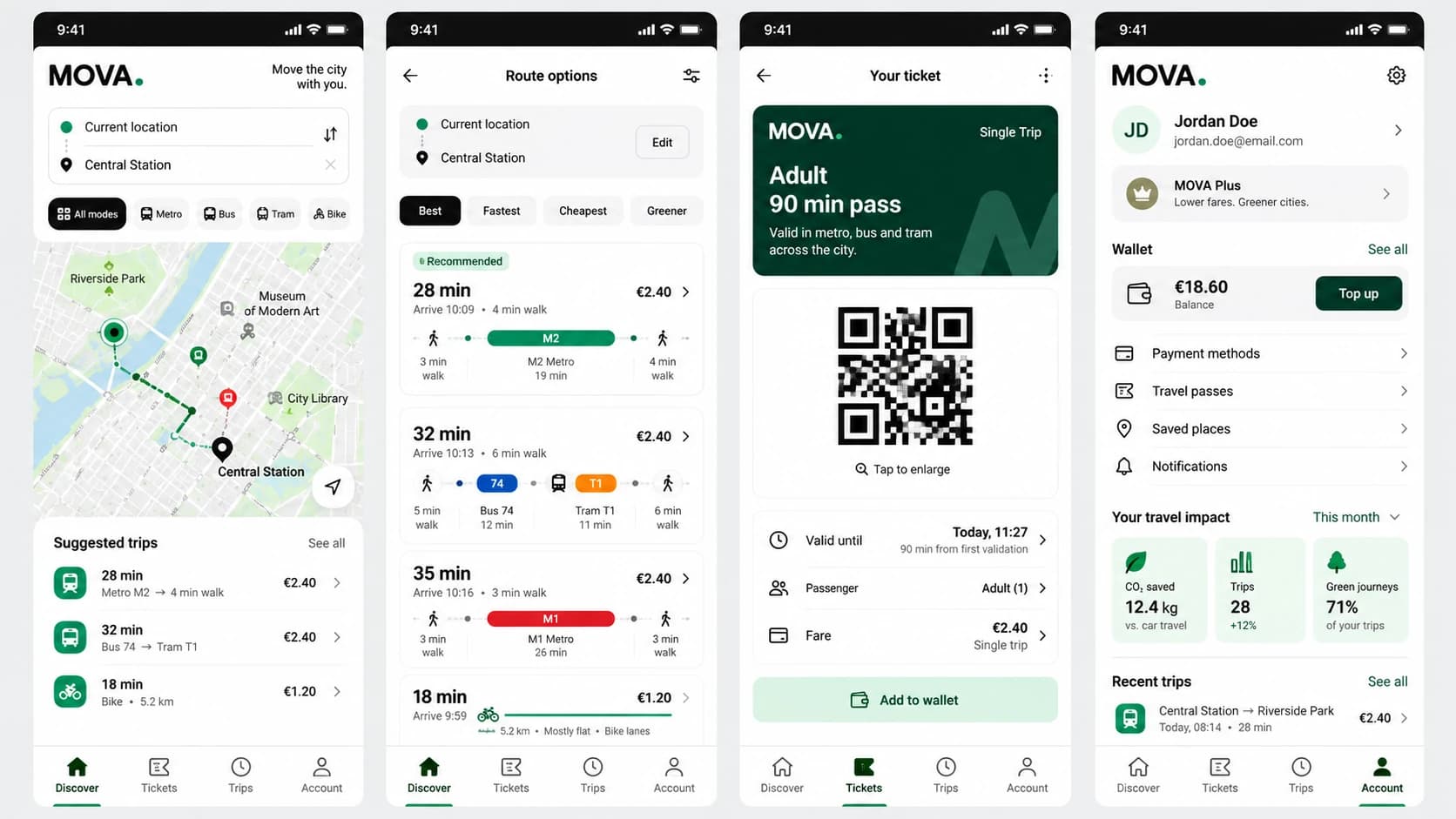
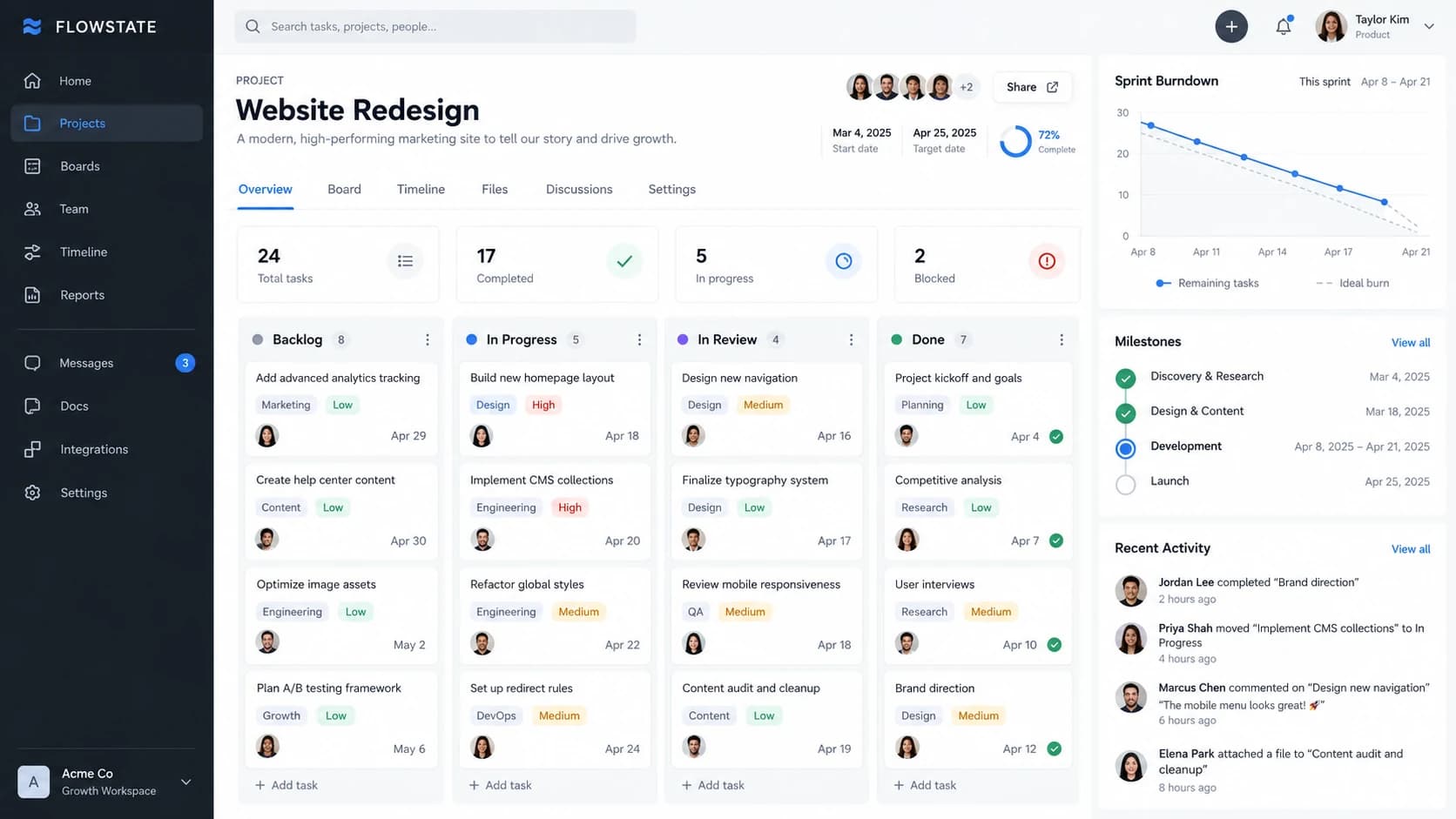
A first release centered on a clear user outcome.
Design and ship a product that solves a specific user problem and gives you evidence for what comes next.



A first release centered on a clear user outcome.
Validated interactions before expensive implementation.
Product data that reveals activation and friction.
A codebase and design system ready for informed iteration.
Clarify the audience, urgent problem, business model, adoption path, and evidence needed to justify investment.
Design the key flow, test it with representative users, and remove features that do not support the first outcome.
Implement the product with accessible interfaces, dependable services, essential analytics, and a maintainable architecture.
Review activation, completion, support feedback, and technical health to prioritize the next release.
Feature lists often grow faster than understanding of the user. A team may spend months building a polished platform before proving the first task people will value, the adoption path, or the operating cost. Speed matters, but shortcuts in usability, security, and maintainability can make the next release harder than the first.
We identify the smallest complete journey that delivers value, then separate necessary features from ideas that can wait for evidence.
Yes. Discovery, user journeys, prototyping, and technical planning turn an early concept into a testable delivery scope.
The choice follows user context, required device capabilities, distribution, and operating cost. We may recommend a responsive web release before native apps when it fits the task.
We define a small set of product events and combine usage data with interviews or support feedback so numbers have context.
Yes. We use documented architecture, component patterns, and clear handover practices to support internal ownership.

Design and ship a product that solves a specific user problem and gives you evidence for what comes next.