
Task design
Define the decisions an agent can make and where a person must remain in control.
Purpose-built agents that handle bounded work, keep people in control, and make complex workflows easier.

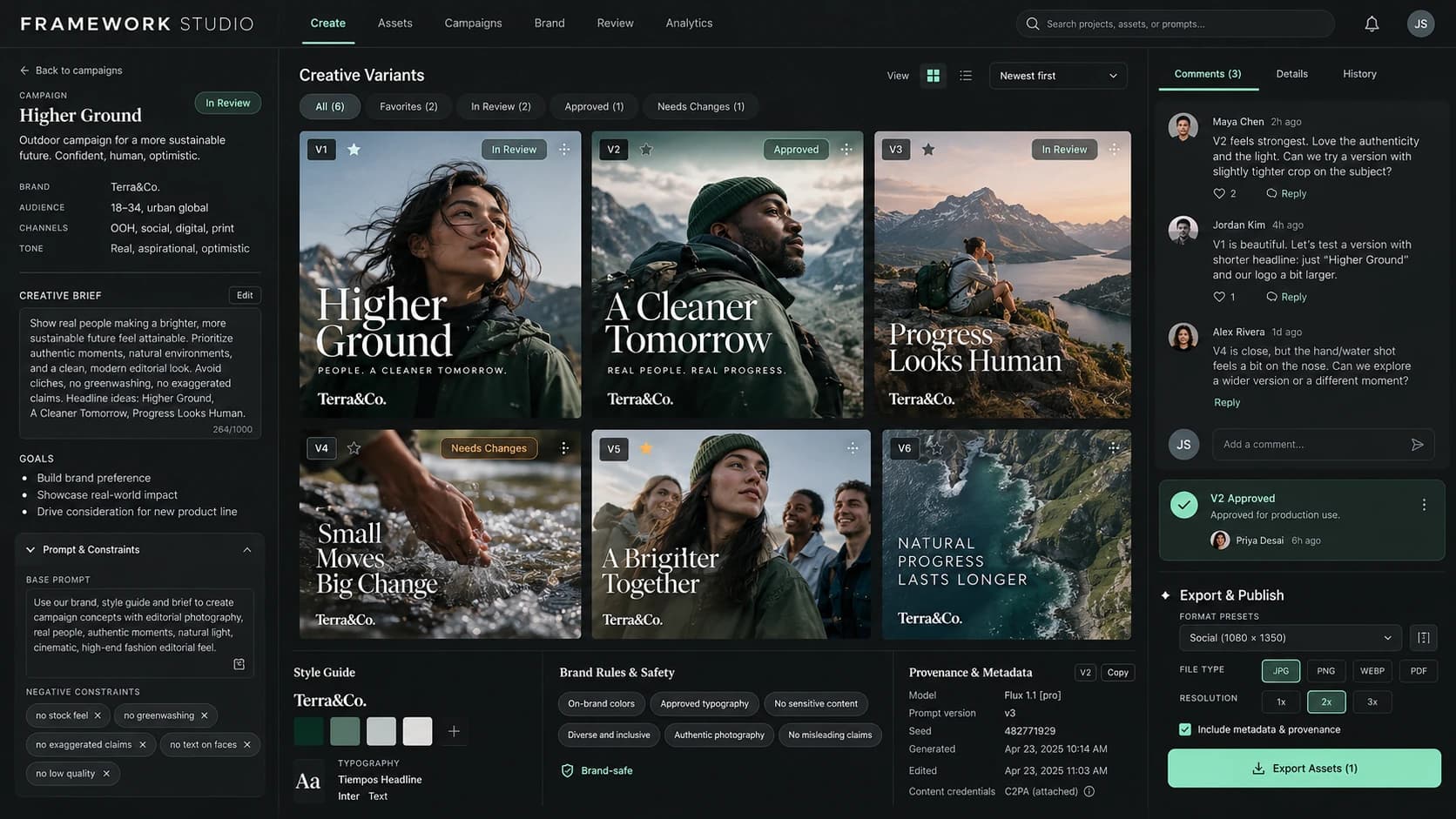

Define the decisions an agent can make and where a person must remain in control.
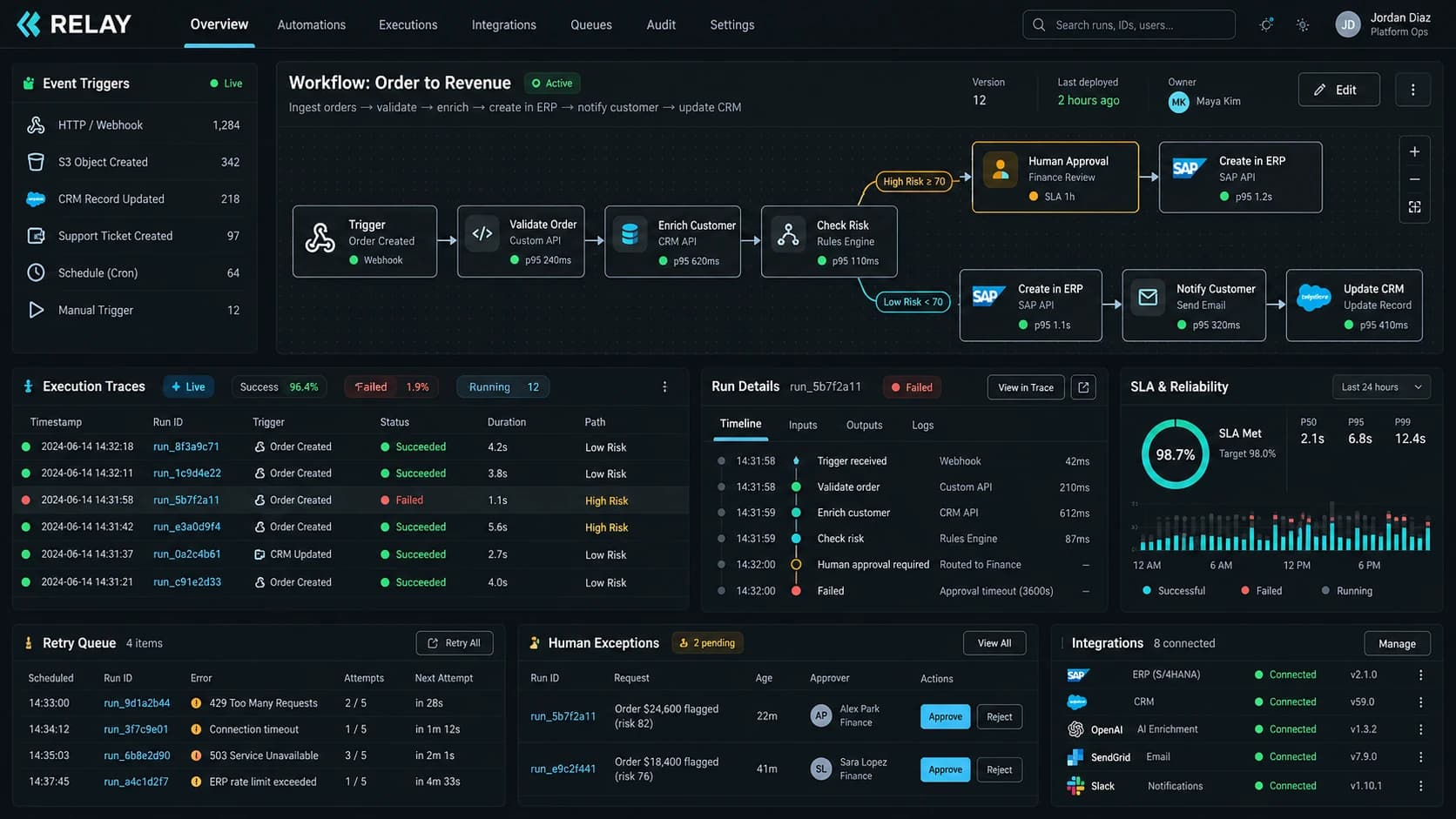
Connect approved data and actions through secure, observable interfaces.
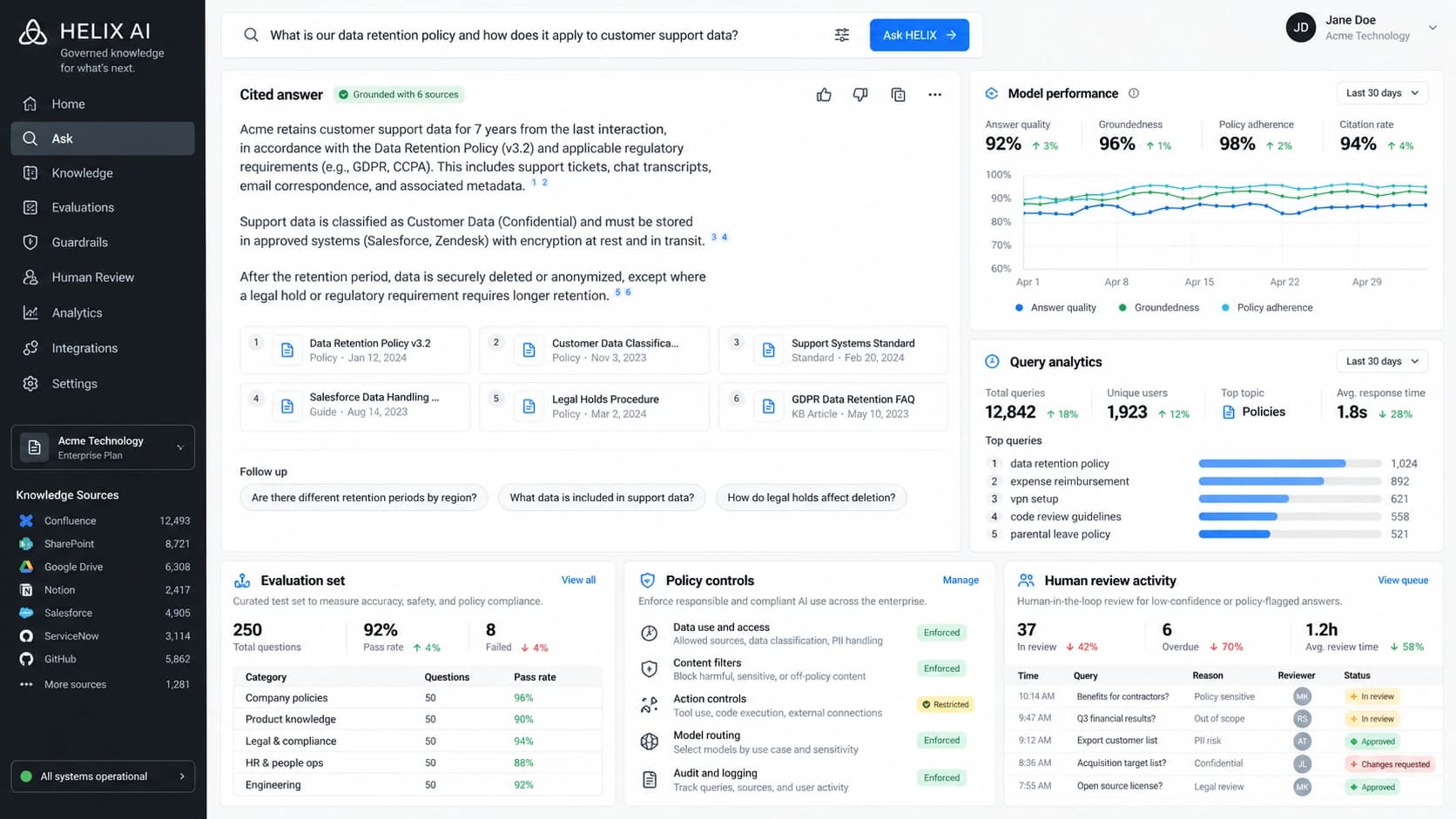
Use trusted business information to make responses relevant and traceable.
Test quality, safety, latency, and operational value before and after release.
We separate the agent planner from tool adapters, retrieval, authorization, and event logs. Each tool receives narrow permissions; retries and timeouts are explicit; sensitive writes require approval. Evaluation includes adversarial inputs, missing data, and failure recovery as well as successful task completion.
A chatbot mainly exchanges messages. An agent may also plan steps and call approved tools to complete a bounded task, so permissions, audit trails, and recovery paths matter more.
Yes, if the system offers a suitable interface and the workflow has approved scopes. We usually begin with read-only access, then add reviewed actions after testing.
We constrain available tools, validate inputs, set approval gates for consequential changes, and log each step. Testing includes ambiguous requests and attempts to override instructions.
The workflow should stop safely, preserve its state, explain the blocker, and hand the task to a person. Silent failure or an invented answer is not an acceptable completion.

Purpose-built agents that handle bounded work, keep people in control, and make complex workflows easier.