

Use-case framing
Define where generated output saves time or improves clarity.
Generative experiences that make information, creation, and service more effective.
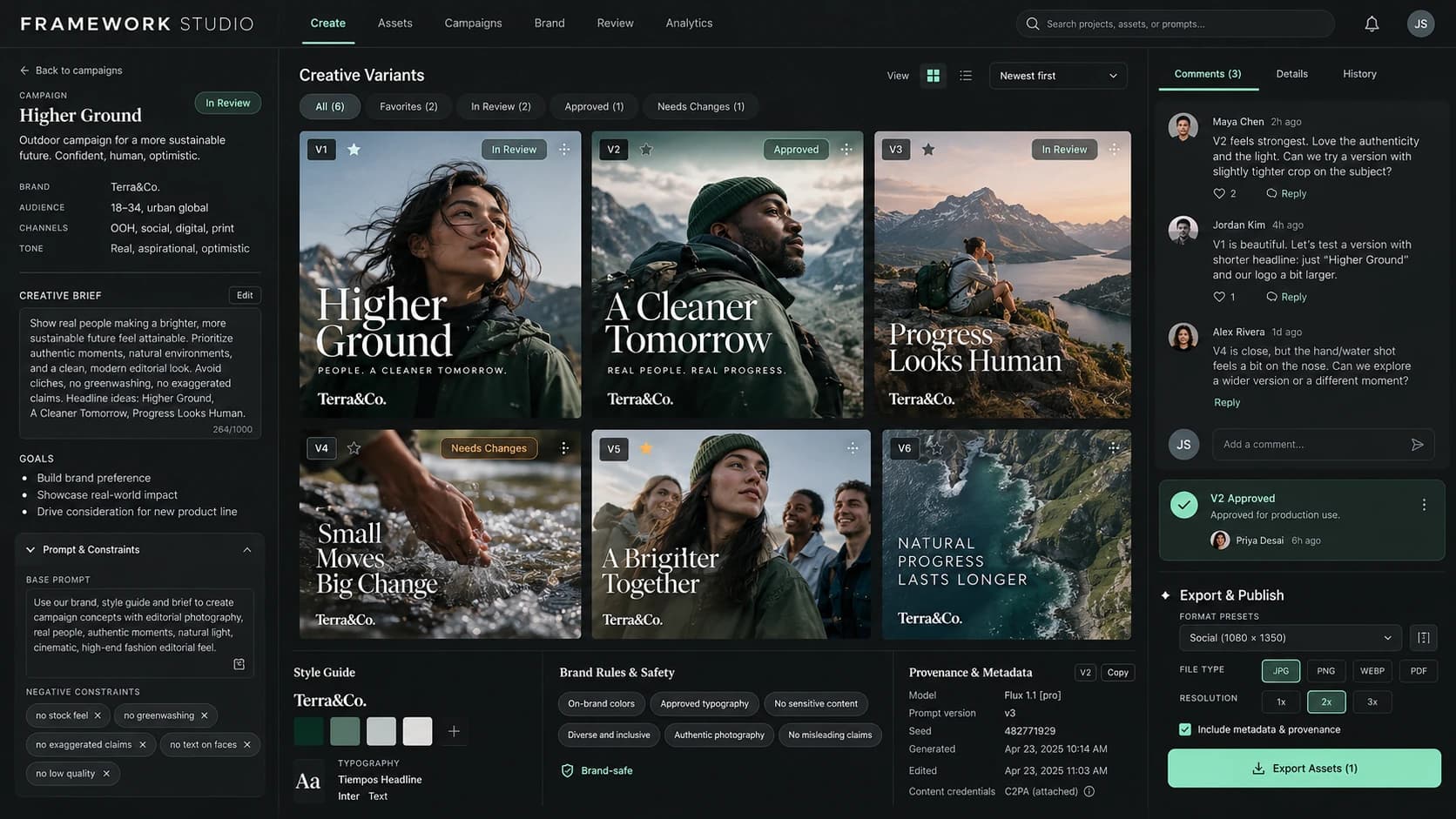
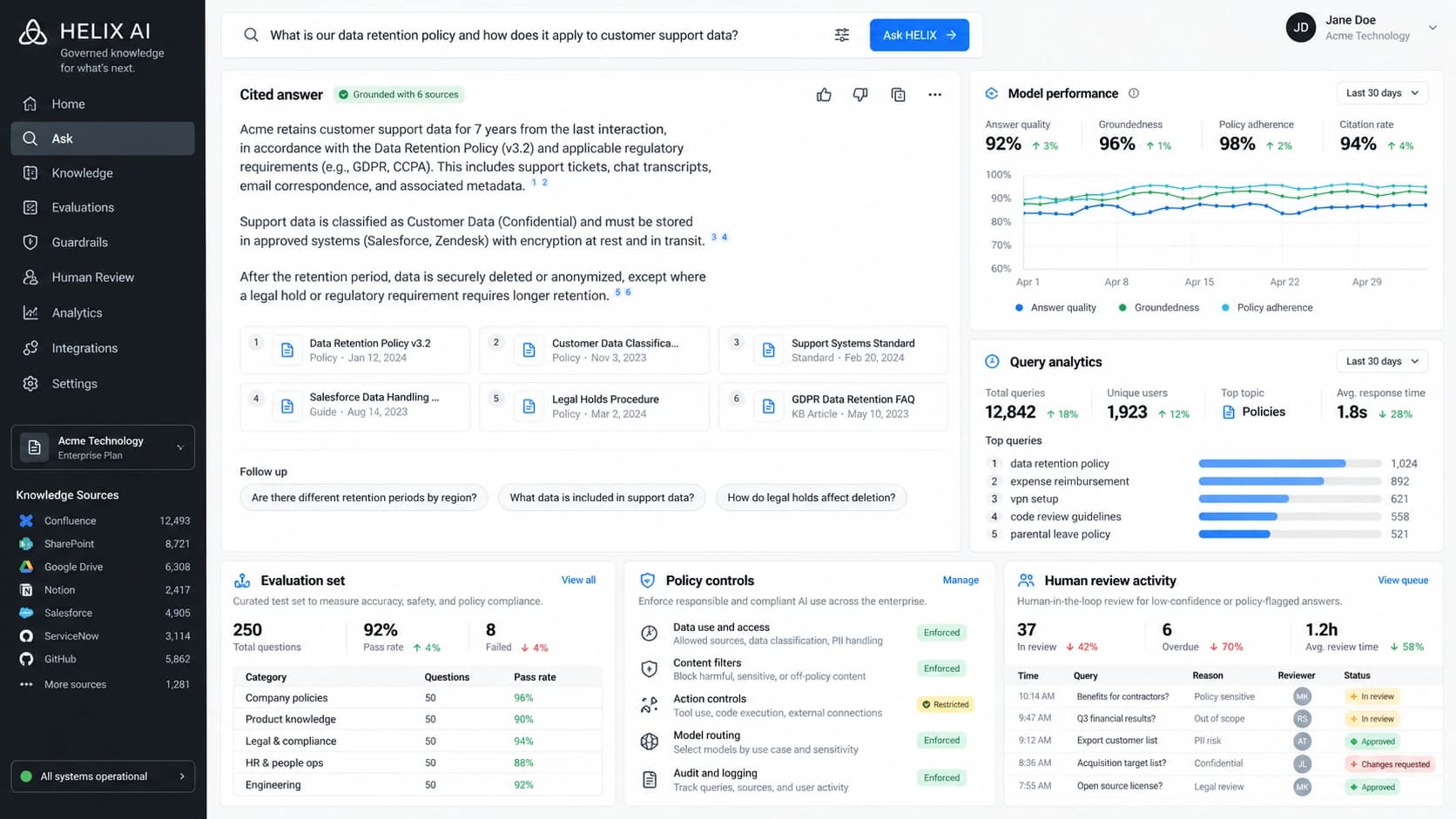

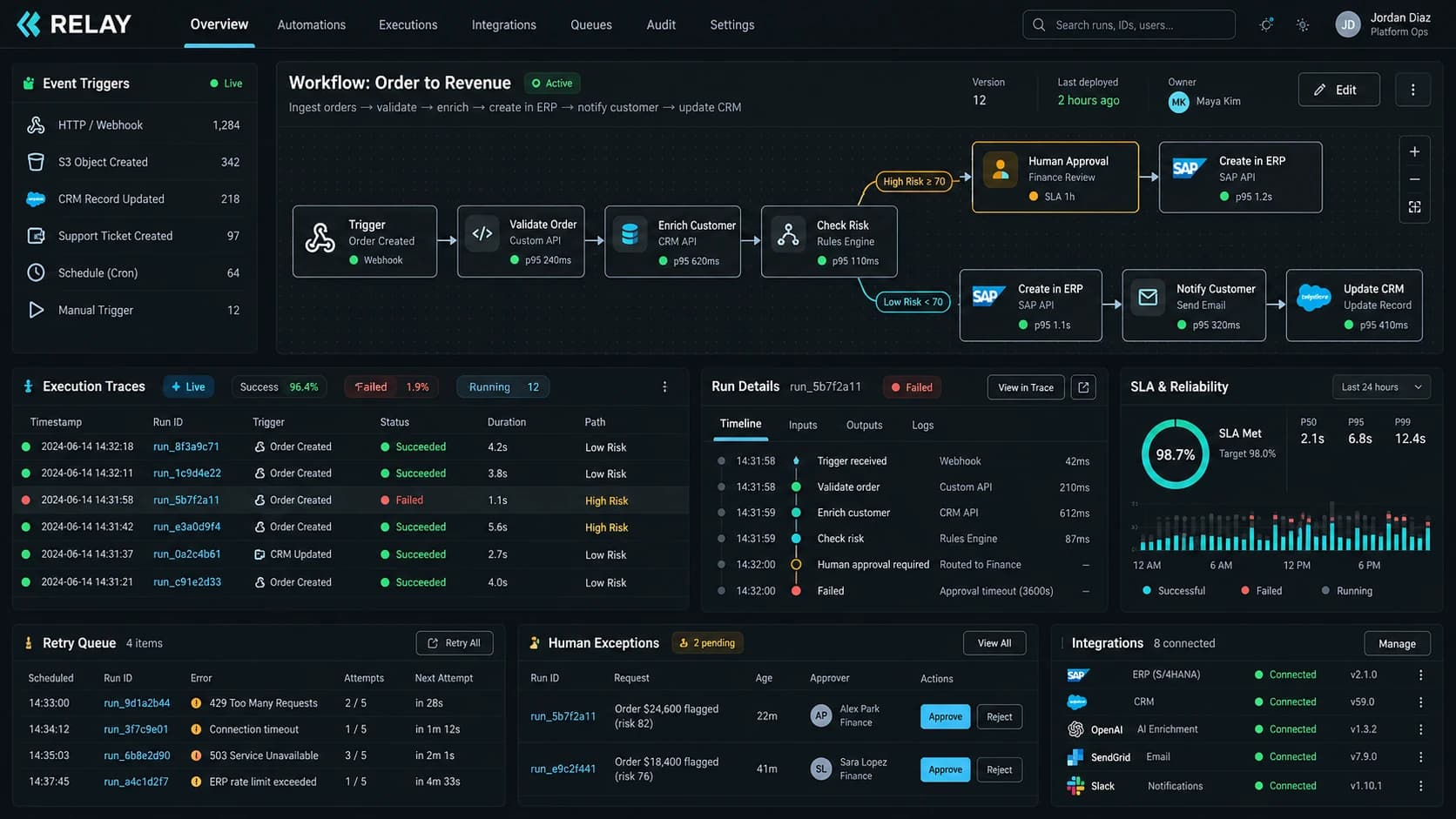

Define where generated output saves time or improves clarity.
Ground responses in approved, current business information.
Structure inputs, tools, and review steps for consistent results.
Measure relevance, factuality, safety, latency, and cost.
Source ingestion, retrieval, prompt logic, generation, and output review are separate components. We test factual grounding, unsupported answers, latency, cost, and user corrections. High-impact recommendations and personal data require stricter access and human oversight.
We narrow the task, ground responses in approved sources, ask the system to show its evidence, and test it against difficult examples. We also design a clear fallback when the answer is uncertain.
It can be, but we usually recommend editorial review for public claims, regulated topics, and brand-sensitive material. The review level should reflect the consequences of an error.
Only if its sources and retrieval process are kept current. We define source ownership, update frequency, and monitoring so stale information can be found and corrected.
We compare the current task with a small prototype using measures such as time saved, accuracy, escalation rate, user satisfaction, and operating cost.

Generative experiences that make information, creation, and service more effective.