
01
A testable value proposition and defined first audience.
Move from an untested idea to a focused first product, honest evidence, and a workable next step.


A testable value proposition and defined first audience.
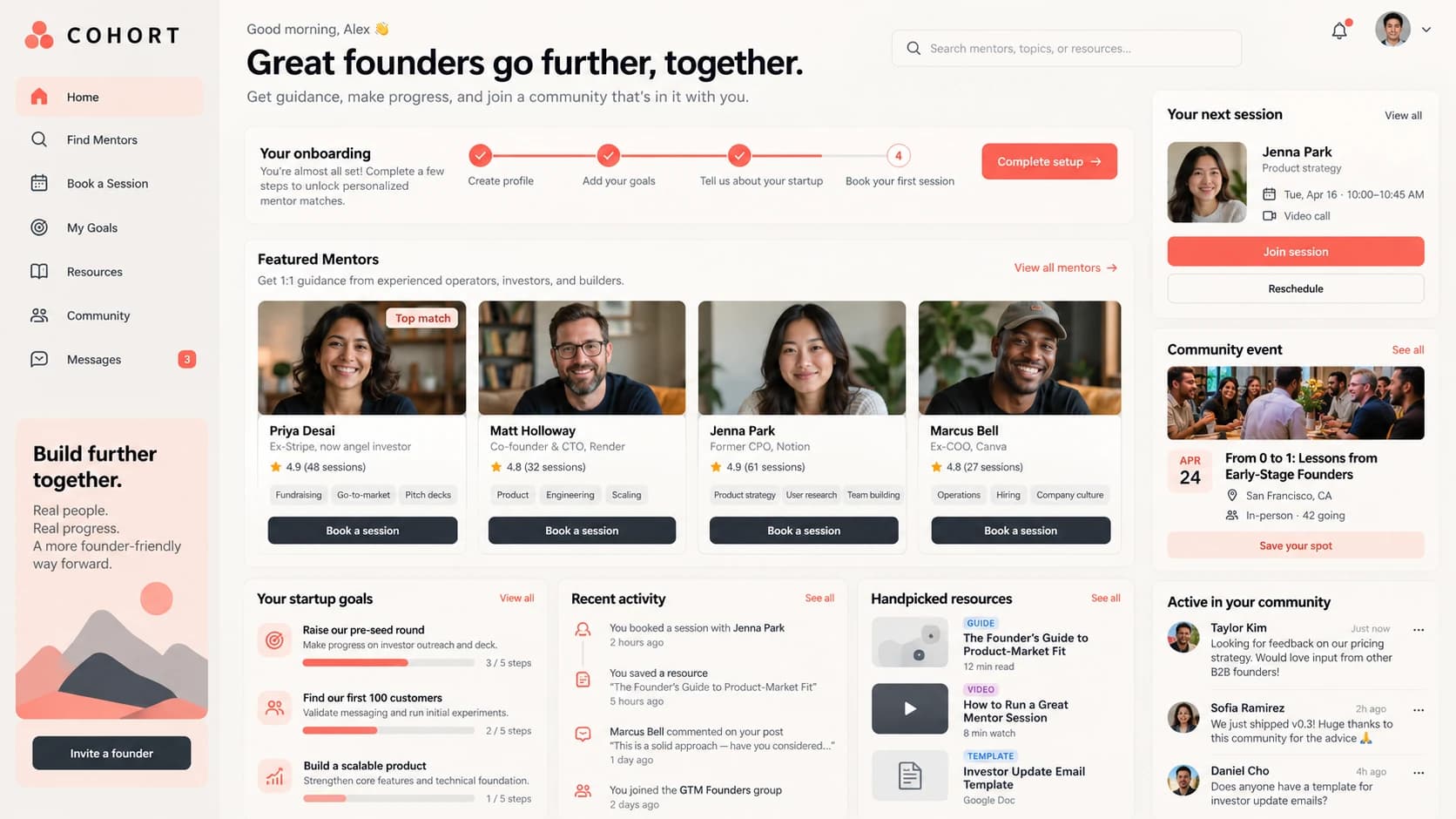
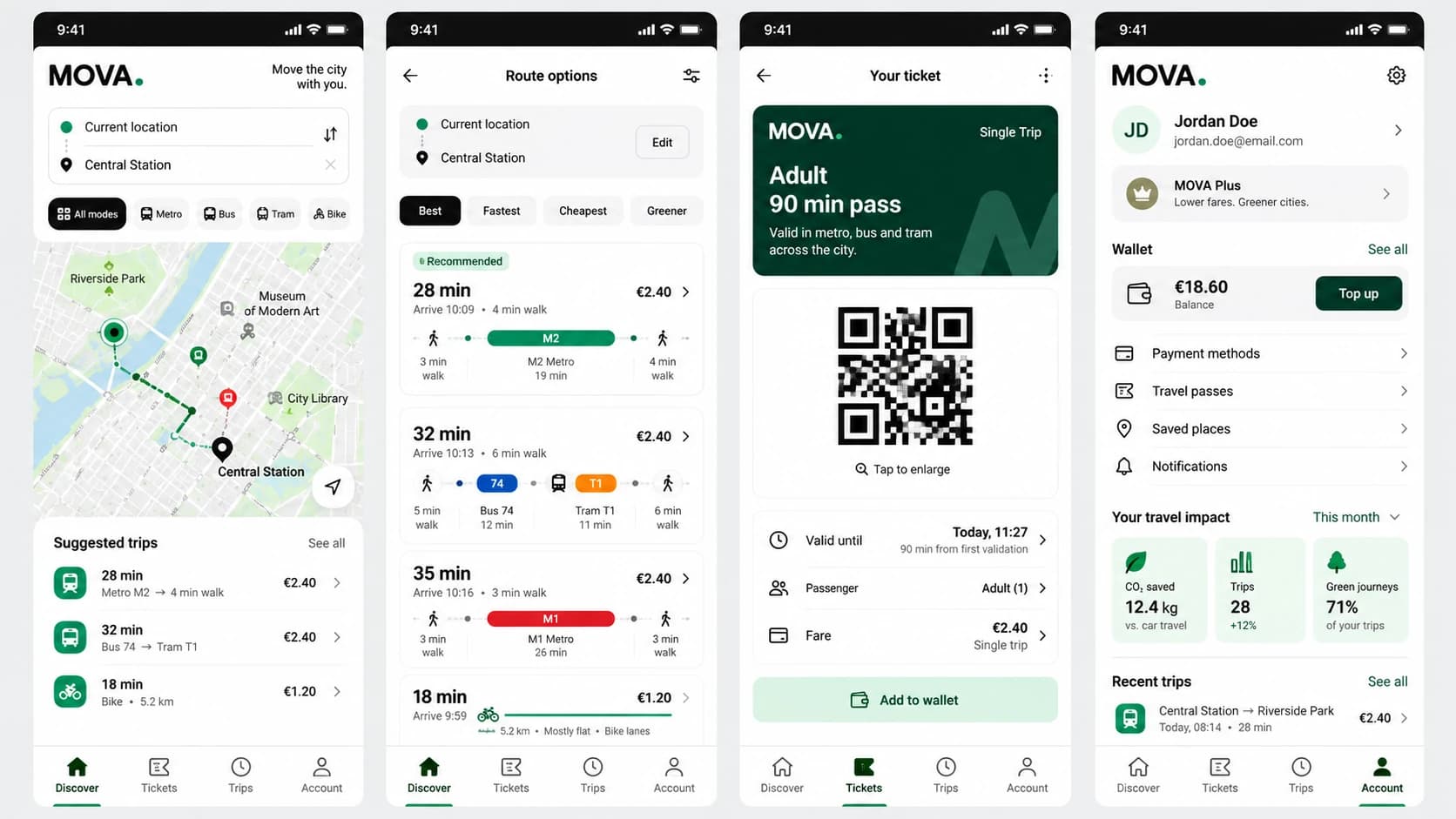
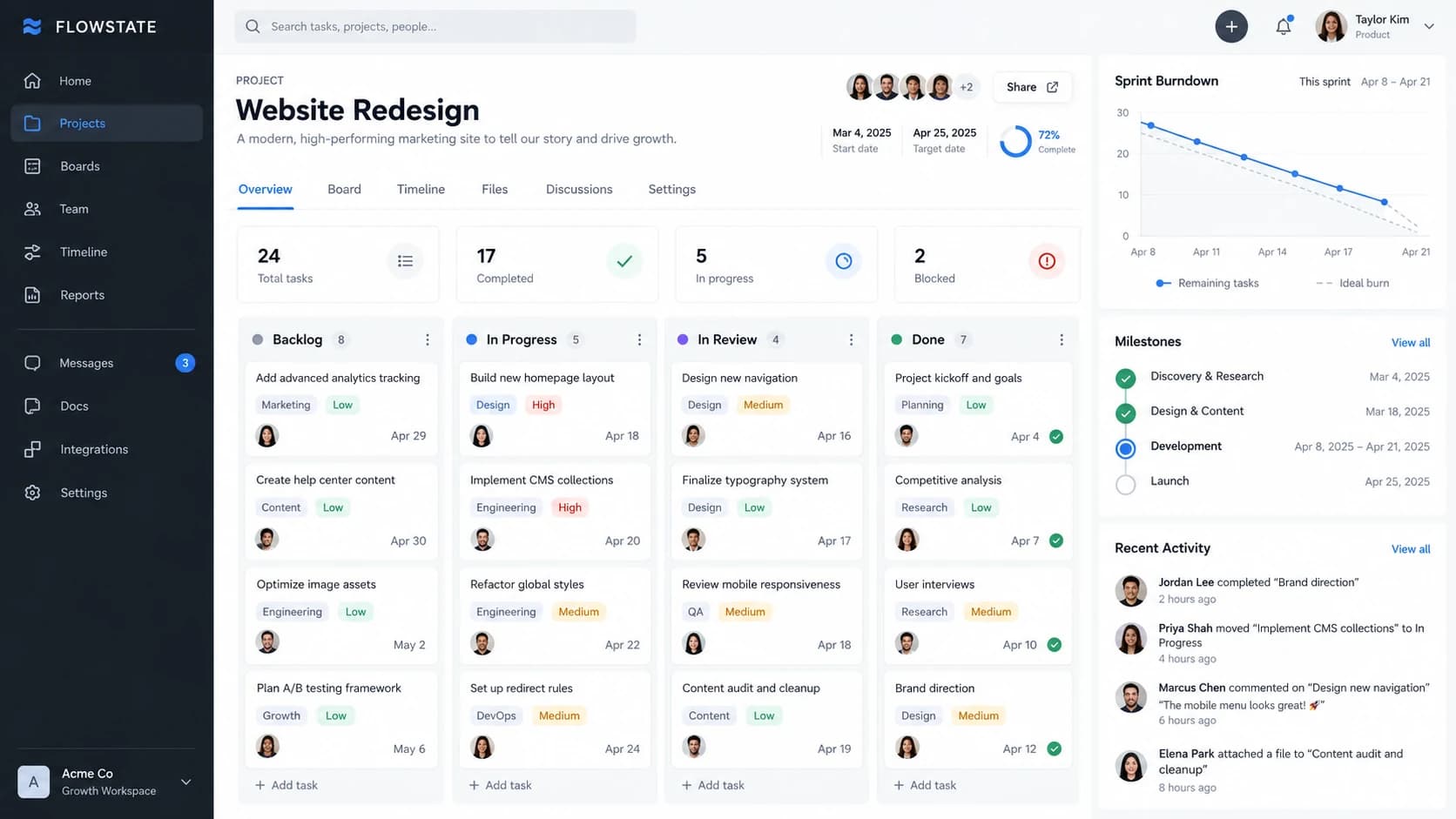
A focused release that can support a complete user task.
Early activation and feedback evidence for prioritization.
A clearer technical and commercial story for the next stage.
Define target users, alternatives, the riskiest assumptions, and what evidence would justify building.
Create positioning, core journeys, a product prototype, and a realistic first-release scope tied to resources.
Build the essential experience, onboarding, and measurement with enough quality to earn meaningful user feedback.
Review activation, retention signals, interviews, and delivery cost to choose the next product or growth experiment.
Founders have to make brand, product, technology, and go-to-market decisions with limited time and incomplete evidence. A broad MVP can consume the budget before anyone tests the riskiest assumption. A thin prototype, on the other hand, may fail to deliver enough value for users to return. The first release needs a deliberate balance.
No. A clear problem, likely user, and honest constraints are enough to begin. Discovery helps test the assumptions behind the concept.
It completes one important job well enough for users to try, return, and give meaningful feedback. It is focused, not merely unfinished.
Yes. Positioning, interaction design, and launch messaging should express the same promise to the same first audience.
We define decision gates, prioritize the riskiest learning, and make feature trade-offs visible before adding scope.
We can help organize product evidence, roadmap options, and the technical narrative. Investment outcomes remain outside any delivery guarantee.

Move from an untested idea to a focused first product, honest evidence, and a workable next step.