

Measurement strategy
Define the questions and outcomes that data should answer.
Data foundations and useful analytics that turn activity into confident decisions.

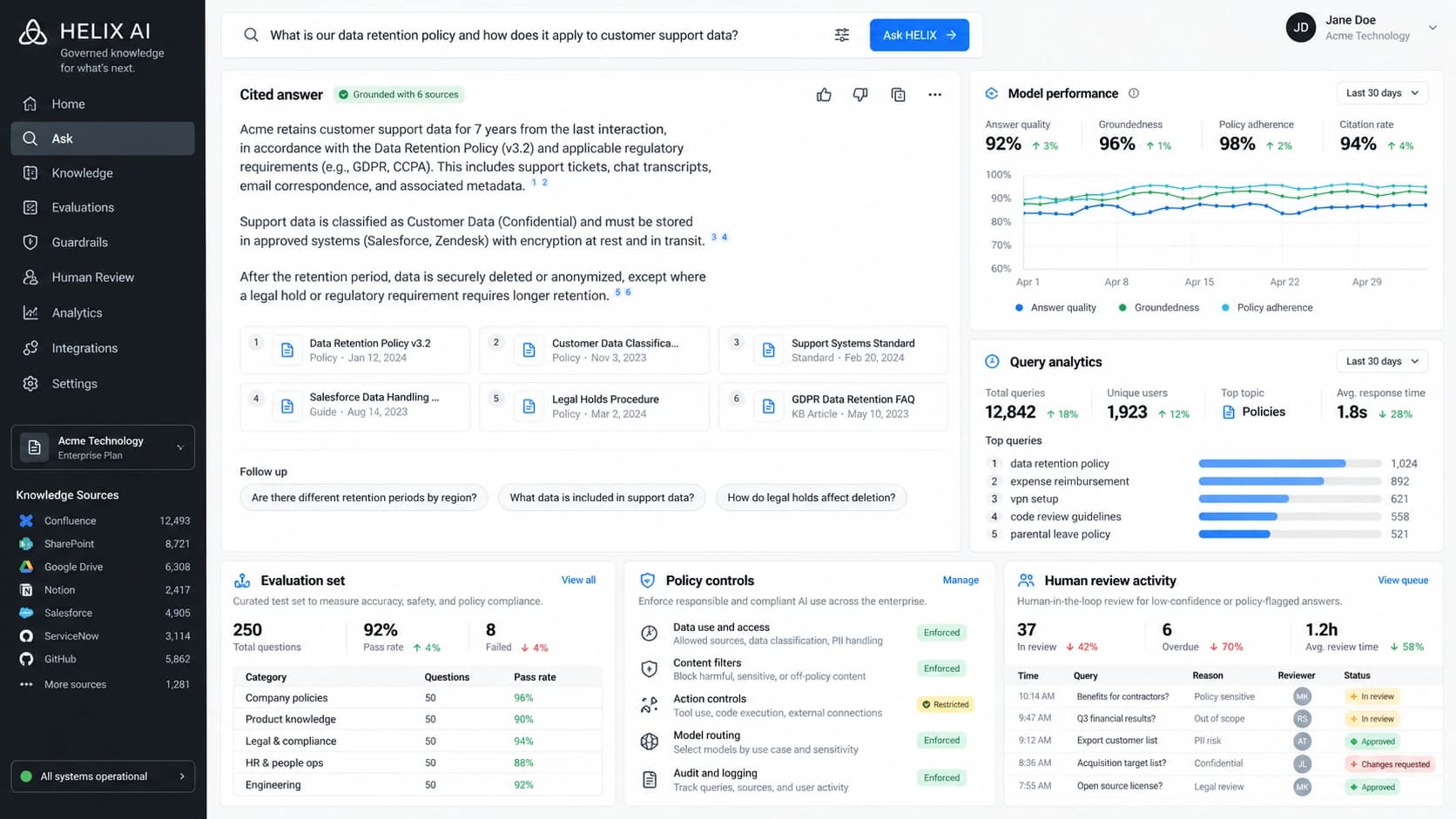


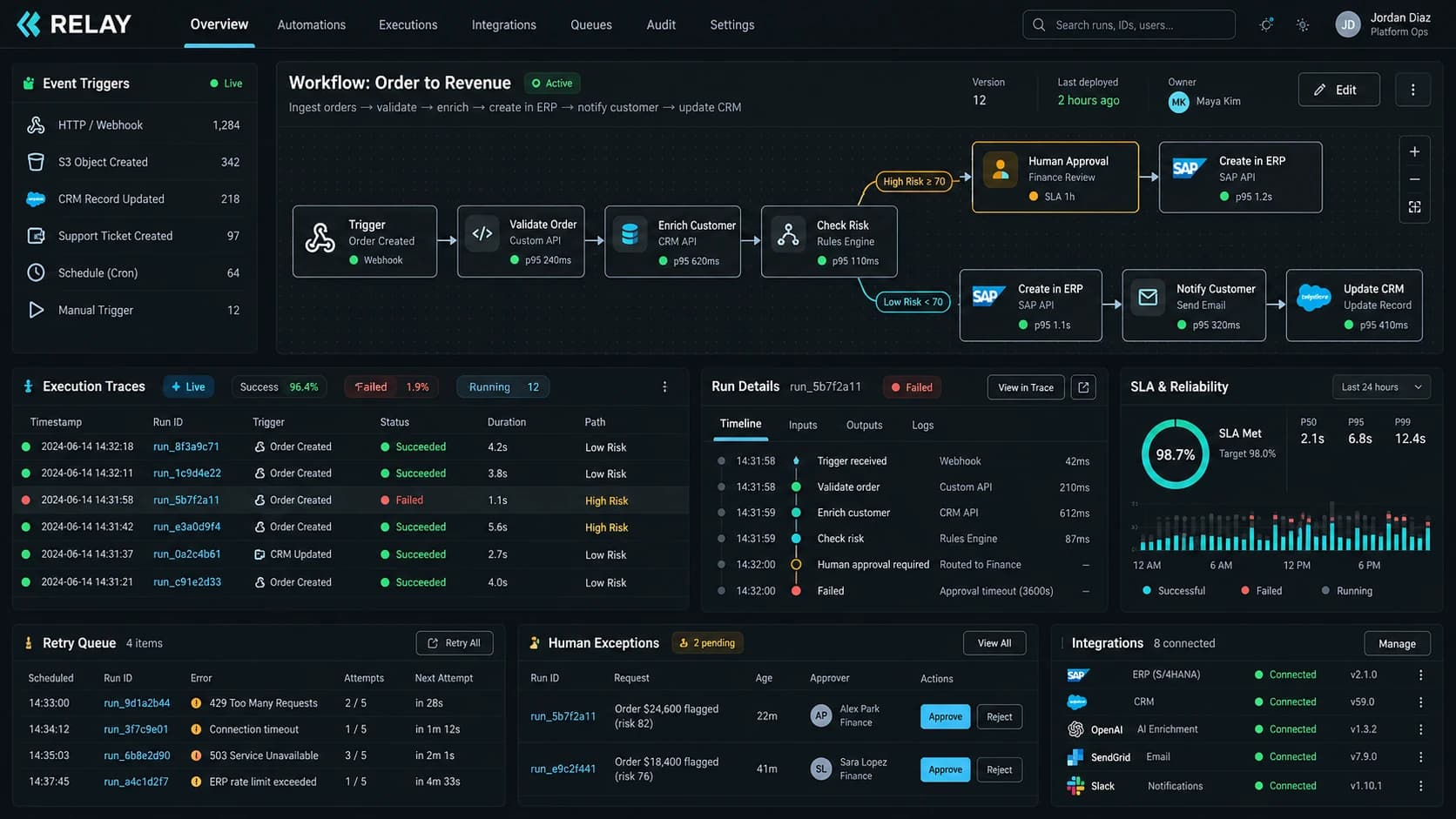
Define the questions and outcomes that data should answer.
Bring relevant information together with clear ownership.
Present signals in a form teams can use and explain.
Protect quality, privacy, and access as data moves across systems.
We document source systems, event names, transformation rules, metric definitions, access roles, and retention. Quality checks flag missing or delayed data, and lineage shows where each number came from. Sensitive data is limited to the people and purposes that require it.
Often they use different definitions, time windows, or source systems. We agree on the meaning and owner of each important metric, then trace the underlying data before presenting a single view.
Yes, when exports or APIs provide reliable access. We inspect completeness, update frequency, identifiers, and permission boundaries before designing a pipeline.
Not always. A small reporting need may be met with simpler infrastructure. We recommend a warehouse when the number of sources, history, governance needs, or query volume justify it.
We minimize collected fields, apply role-based access and retention rules, and agree on the reporting purpose. Specific controls depend on the data and the organization’s obligations.

Data foundations and useful analytics that turn activity into confident decisions.